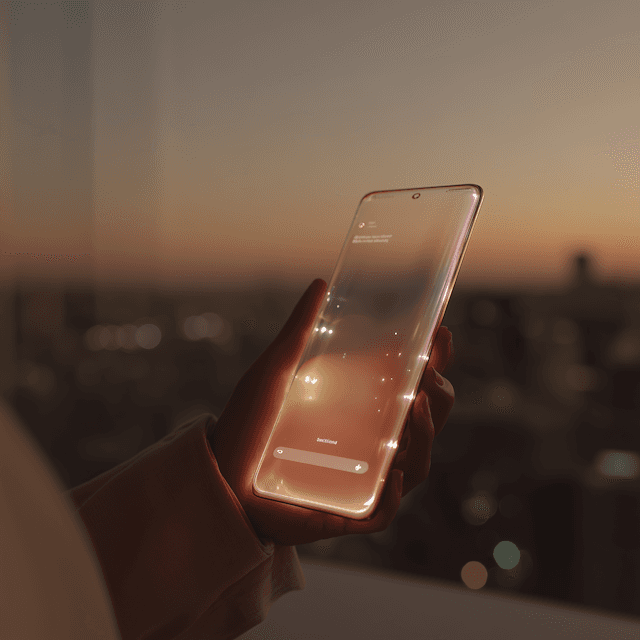
How does the same product feel in Tokyo, Paris or Los Angeles? Does the audience respond better to a clean studio world or a more emotional lifestyle image? Does the product need a human presence, or does the object carry the story alone?
Those questions usually become expensive very quickly.
Instead of spending first and learning later, the brand can see, compare, adjust, and choose before heavy production starts.
With the right workflow, those questions become testable. A brand can explore different locations, colors, models, atmospheres, markets, formats, and ad directions before producing everything for real, not as random variations, but as a way to understand what deserves to move forward.
That changes the risk entirely.
FASTER TESTS. LOWER RISK. STRONGER LAUNCHES.
This is where AI-assisted visual production becomes more than a faster way to make images. It becomes a way to make better business decisions.
A product that already exists can be placed inside multiple worlds. A future colorway can be tested before manufacturing. A campaign direction can be turned into visual assets before a shoot is booked. Ads can be A/B tested faster with different angles, markets, and creative routes before the brand commits to the most expensive version.
The goal is not to replace every shoot, every prototype, or every production. The goal is to stop treating production as the first moment of truth.
Explore earlier. Test faster. Commit with more confidence.
That's how brands reduce waste, protect budget, and move toward the direction that actually has a chance to work.