Creative Production
Why your best visual ideas never get produced
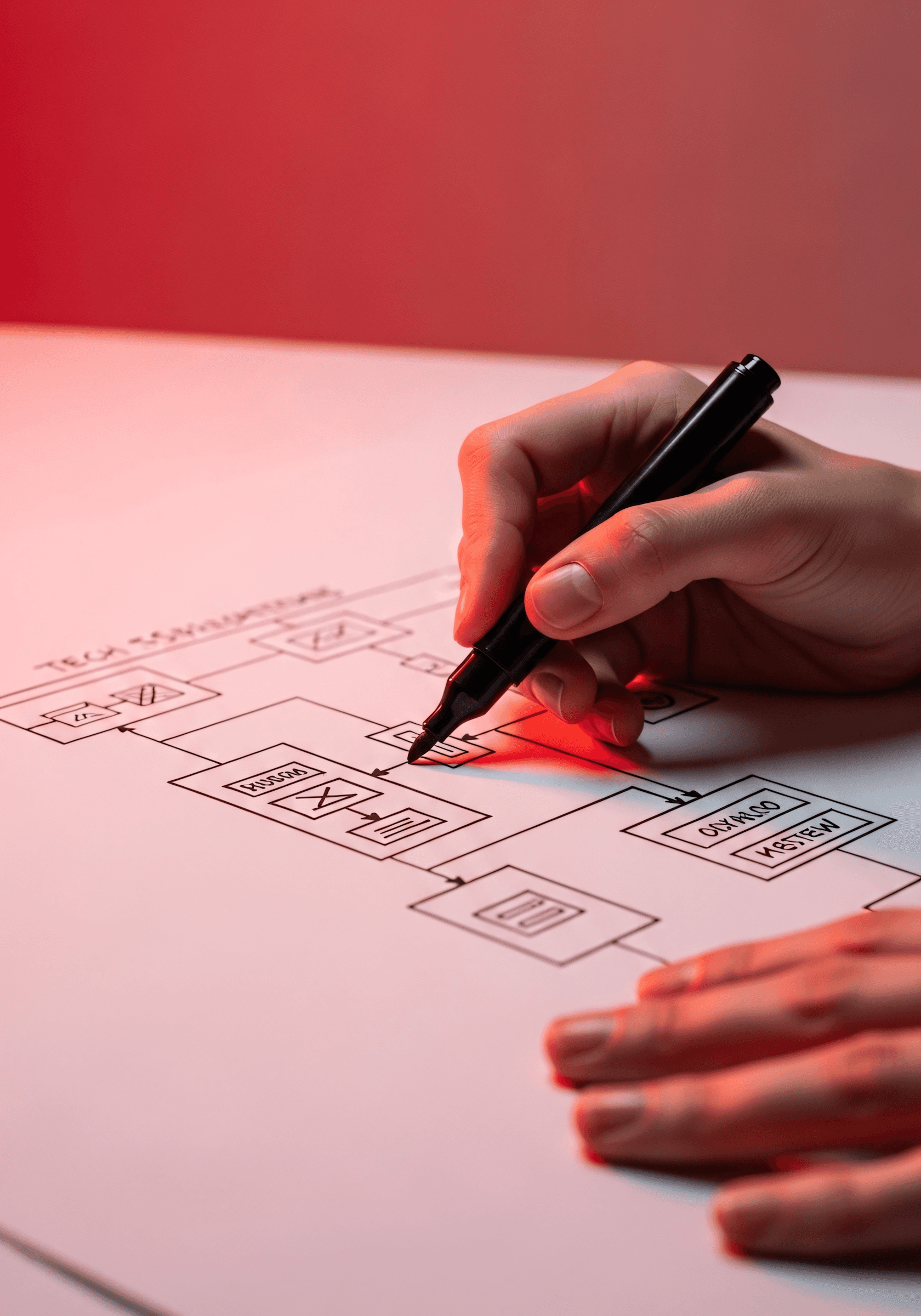
Creative production often kills bold ideas before they ever get a chance to exist.
Not because the idea is bad, but because the traditional path is heavy from the start: location, casting, crew, lighting, styling, transport, permits, weather, budget, timing, and a dozen people to align before the first image is even made.
So the brand plays it safe. The concept gets smaller. The campaign becomes easier to produce, but easier to forget.
Think about a furniture brand wanting to show a horse jumping over one of its pieces at night, inside a stadium. In a traditional setup, the idea immediately becomes a production problem: horse, rider, trainer, location, insurance, lighting, film crew, art direction, safety, schedule, cost.
With a new visual workflow, the question changes.
Not “can we afford to produce this right now?”
But “is this idea worth pushing?”
THE IDEA CAN EXIST BEFORE THE SHOOT
AI-assisted production doesn’t replace creative direction. It gives direction a faster way to appear.
Before committing to a full production, a brand can explore the atmosphere, the framing, the story, the emotion, and the visual impact of an idea. It becomes possible to test bold concepts before spending weeks organizing them.
What if the stadium feels too cold?
What if the horse should be replaced by something stranger?
What if the nighttime version is stronger than the daytime one?